New Prince Shri Bhavani College of Engineering and Technology

Santhosapuram, Chennai
admission@npsbcet.edu.in
044 – 22780404
91526 66333 | 91526 66444
B.E. MECHANICAL ENGINEERING

MECHANICAL ENGINEERING

The Department of Mechanical Engineering is one of the core branches of the institution dedicated to nurturing innovation, technical expertise, and problem-solving skills. It acts as a hub for teaching, research, and industry collaboration. It trains students in core mechanical concepts, fosters innovation through labs and projects, and builds industry-ready graduates via internships, research centers, and professional development initiatives. It acts as both an academic foundation and a bridge to industry, equipping students with technical expertise.

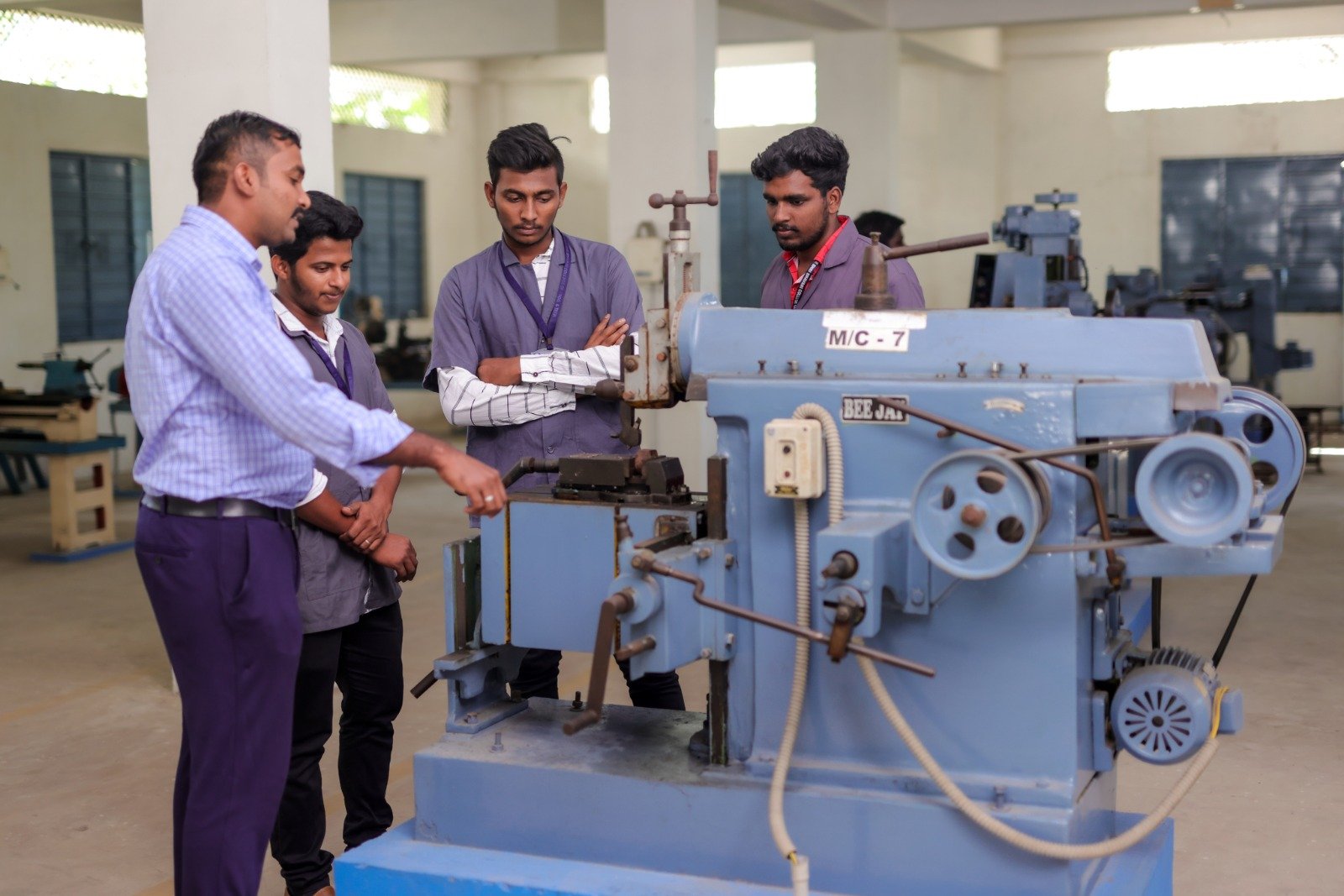
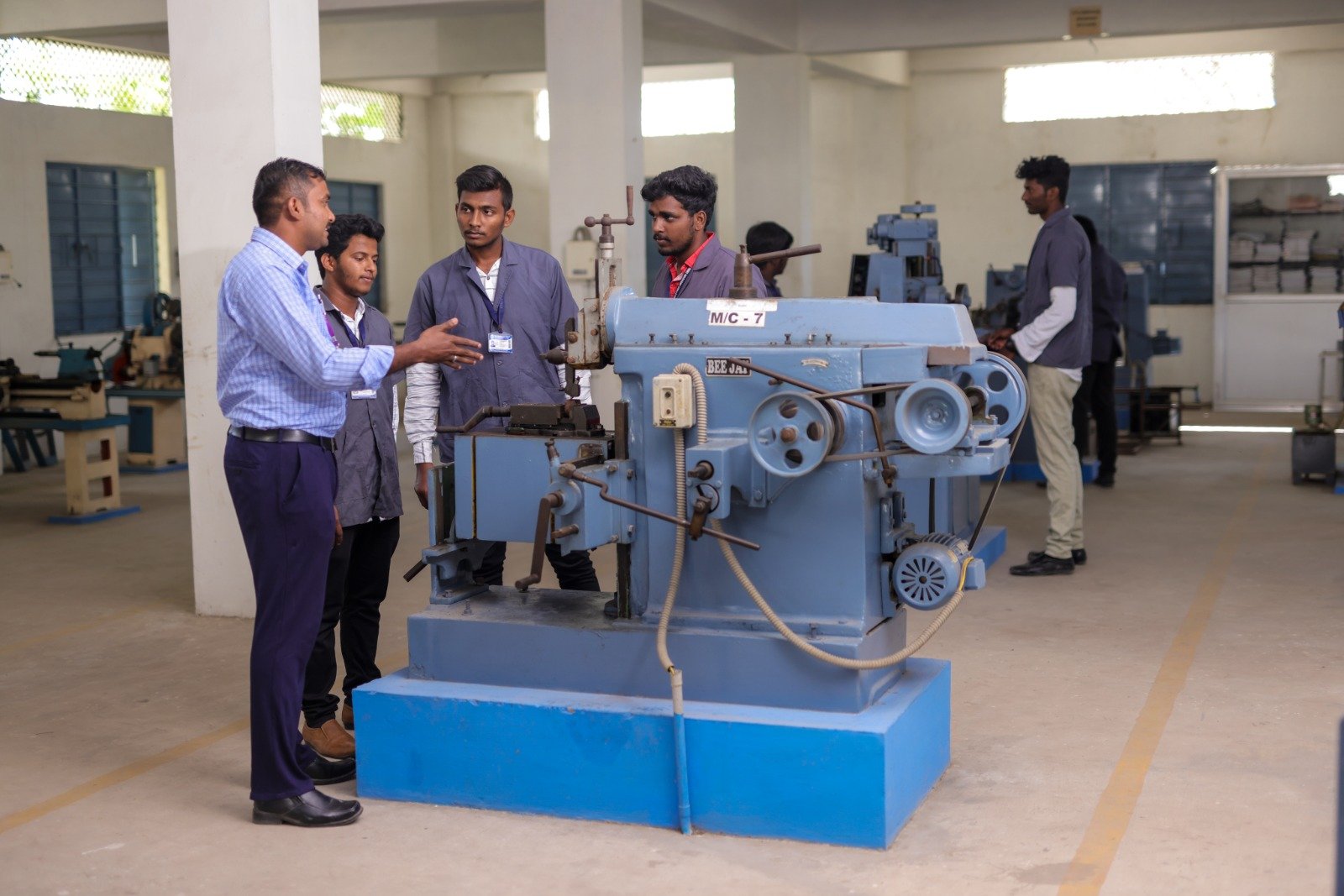
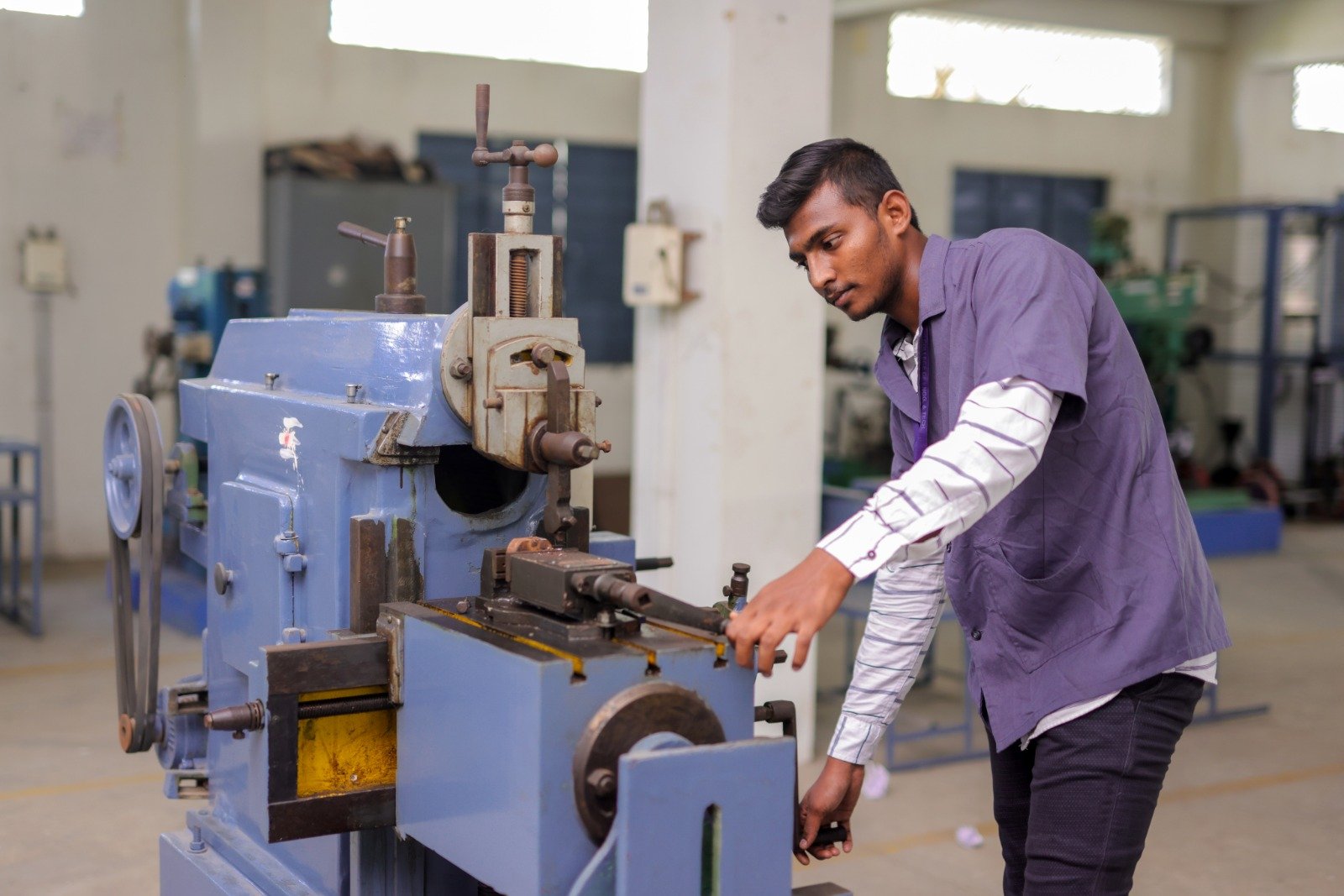
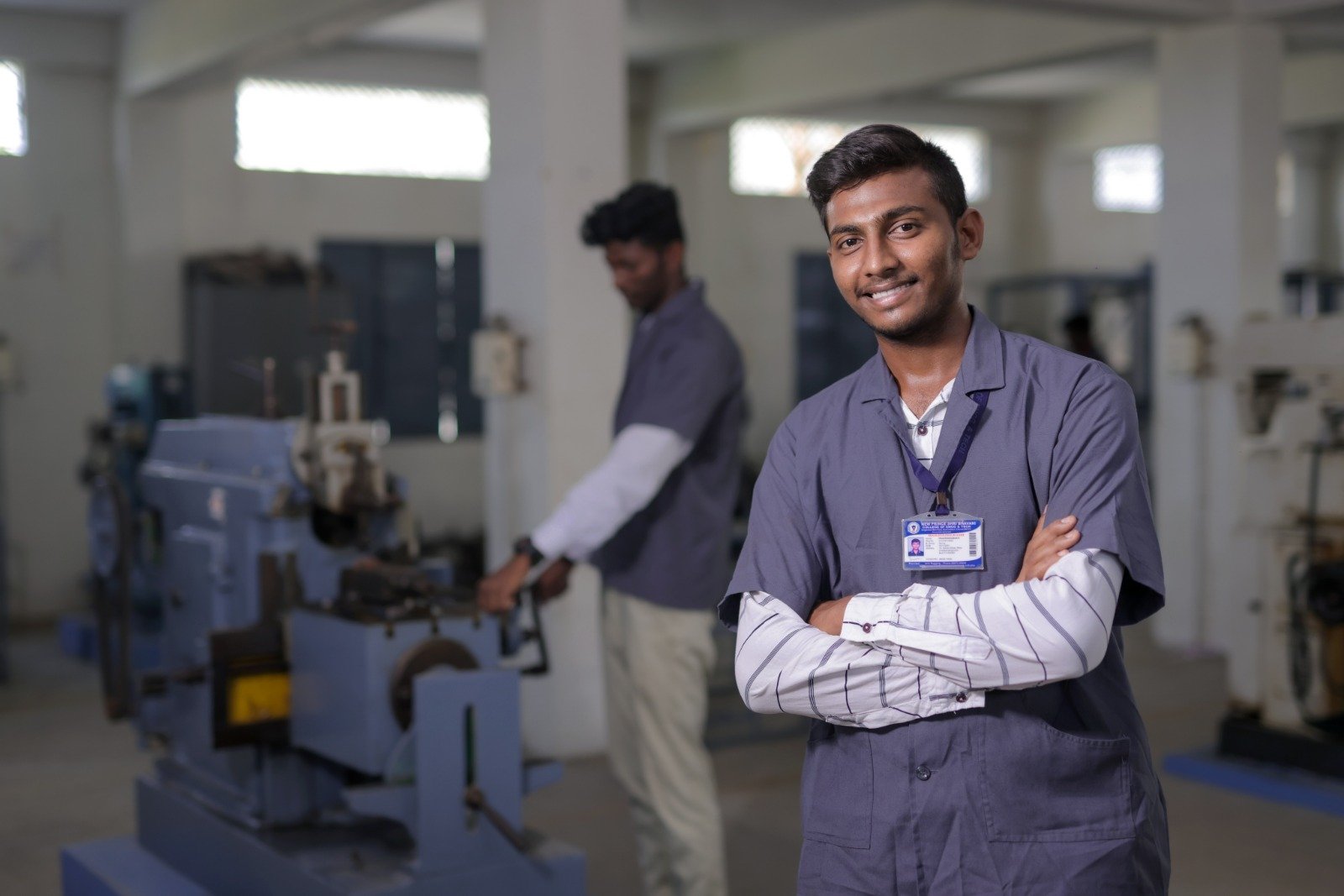
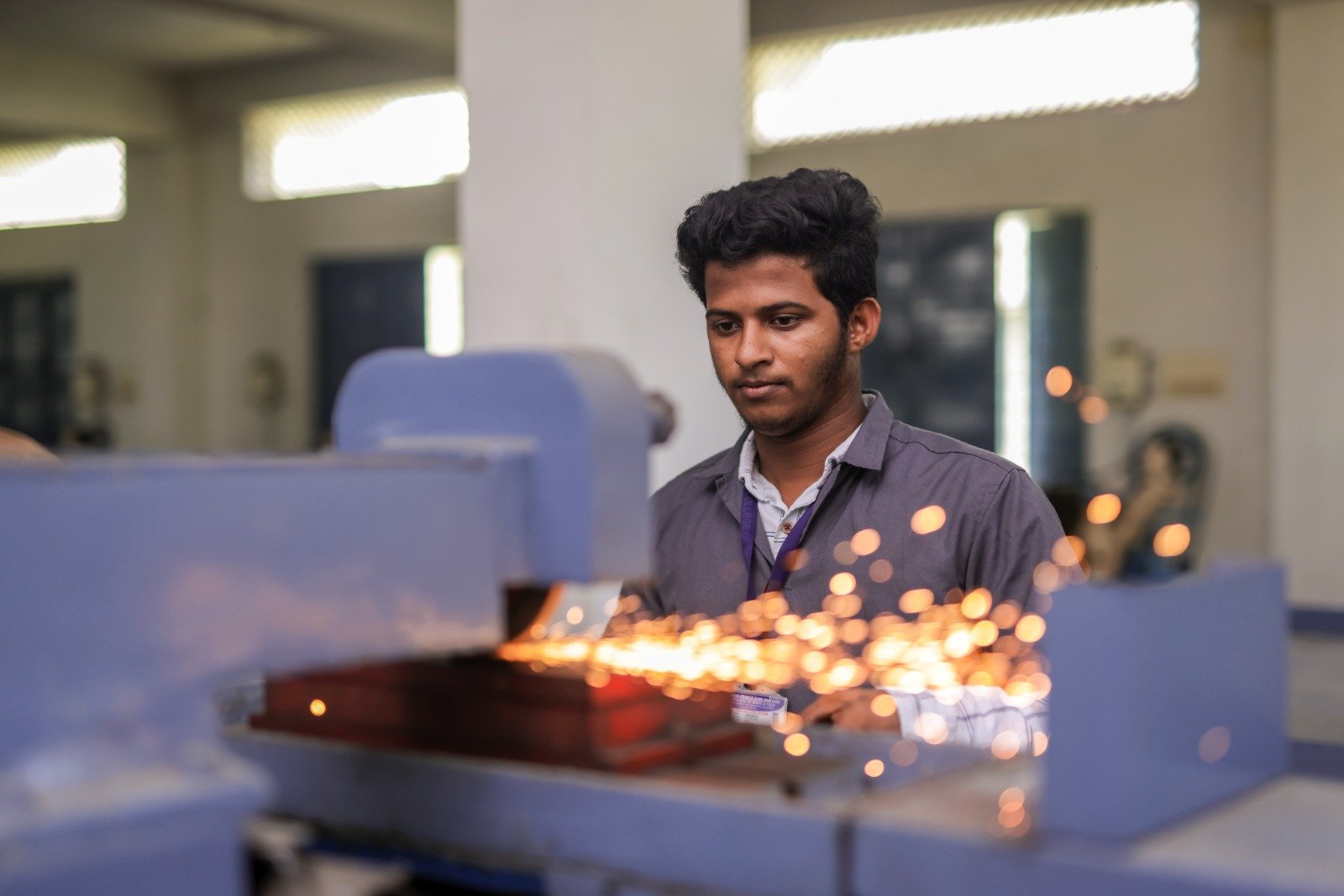
With a strong emphasis on both theoretical knowledge and practical application, the department prepares students to meet the challenges of modern industry and research. Also, it is equipped with state-of-the-art laboratories featuring advanced software for design, simulation, product development, and materials testing, supplemented by hands-on training facilities in machining, welding, fabrication, and prototyping. It is a dedicated centre for renewable energy, automation, and advanced materials.

The department has consistently produced graduates who excel in diverse fields such as automotive, aerospace, energy, manufacturing, and research. Alumni have contributed to both national and international organizations, reflecting the department’s commitment to excellence.

Achievements
Students Achievements
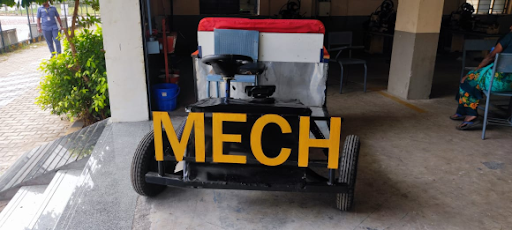
Mechanical Engineering students achieved notable success in electric vehicle design by developing an innovative and efficient EV model. Their achievement demonstrates strong technical skills, creativity, and teamwork in sustainable engineering solutions
Events
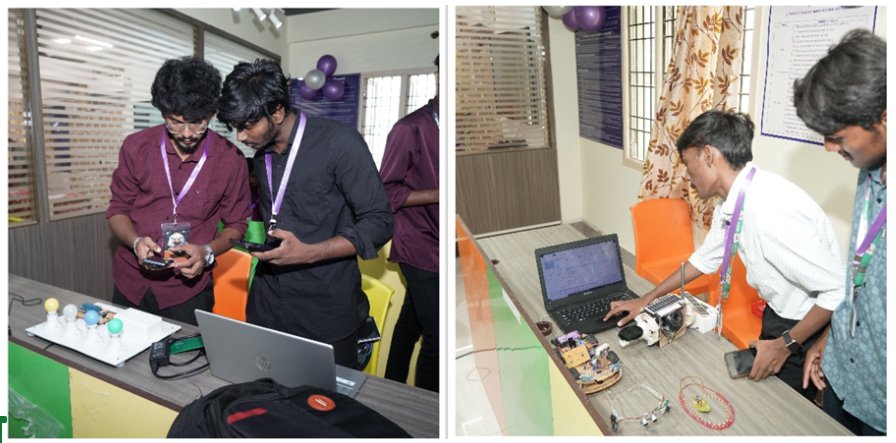
Project Expo
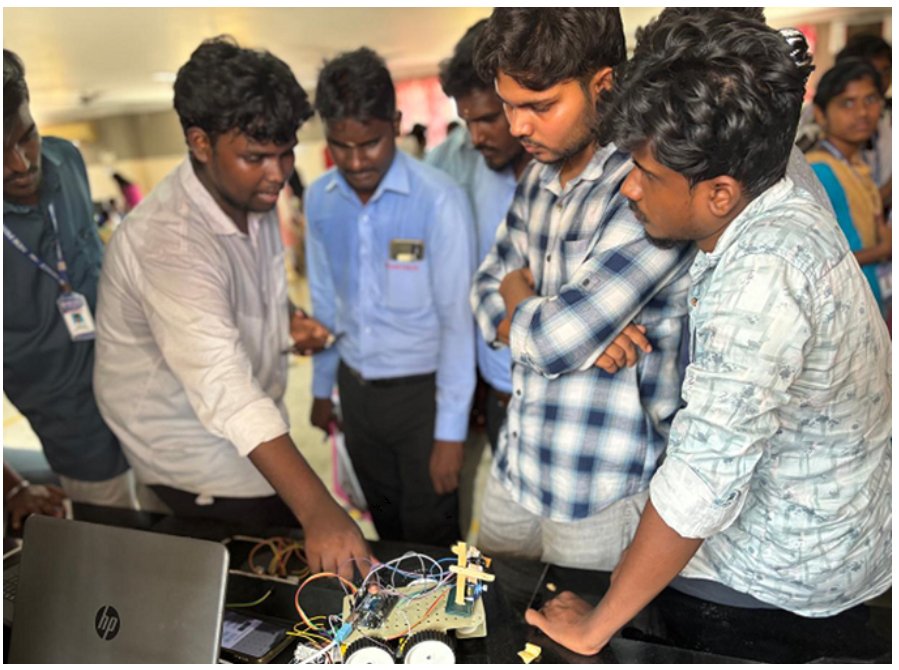
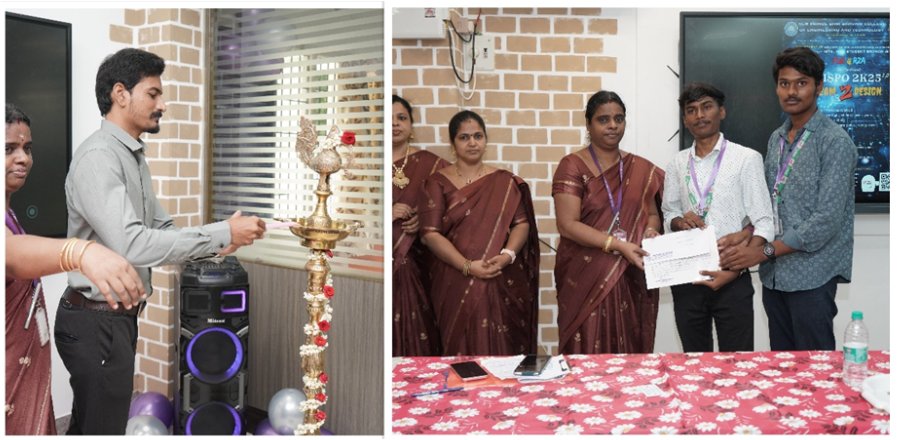
Inter-College Level Project Expo organized by the Department of Electronics and Communication Engineering to showcase innovation and technical skills.
Department of Electronics and Communication Engineering Organized an International Conference to Felicitate Knowledge Sharing, Professional Development and Industry Advancement through Presentation
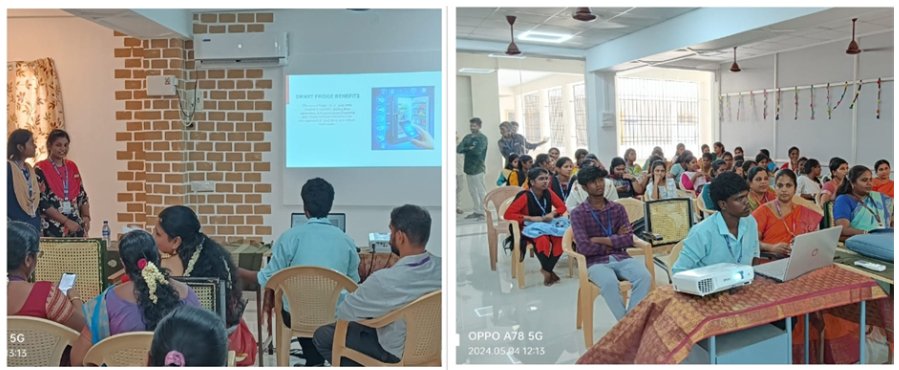
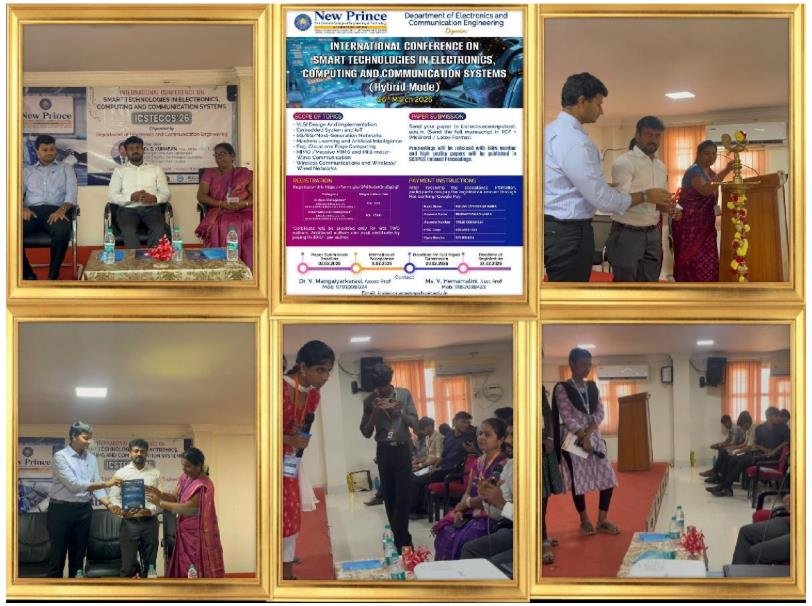
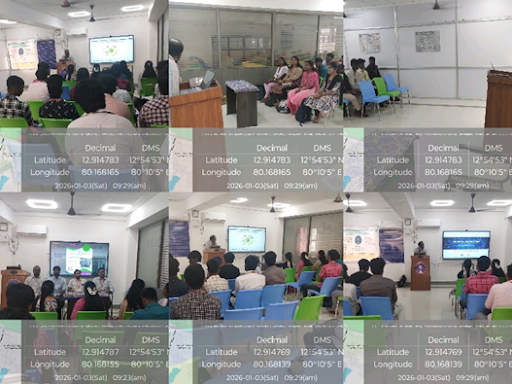
The Department of Electronics and Communication Engineering organized an International Conference on Smart Technologies in Electronics, Computing and Communication Systems in hybrid mode. The conference focused on emerging areas like VLSI, IoT, AI, and 5G/6G, with participants presenting research and sharing ideas. It provided a valuable platform for knowledge exchange and academic collaboration.
Department of Electronics and Communication Engineering organized a Two Days Workshop on “IoT and Embedded Systems using Raspberry Pi” by ReTech Solutions Pvt. Ltd., Chennai.
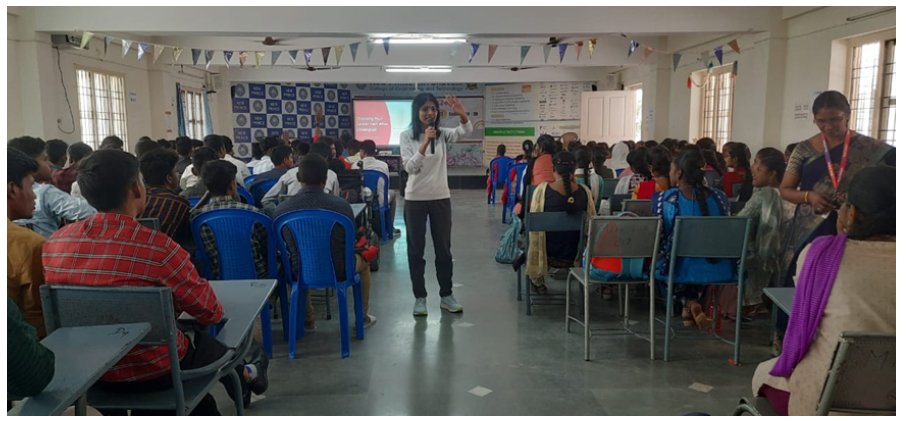
Department of Electronics and Communication Engineering organized a Seminar on “Research Opportunities in Semiconductor materials and Devices” for III year and IV year students. The session was handled by Resource Person Ms.V. Rajakumari, Senior research Fellow in Need laboratory, IIITDM-Kancheepuram, Chennai.
Department of Electronics and Communication Engineering Organized a National level Technical Symposium event that offered an excellent platform to enhance my technical knowledge and gain meaningful learning experience.
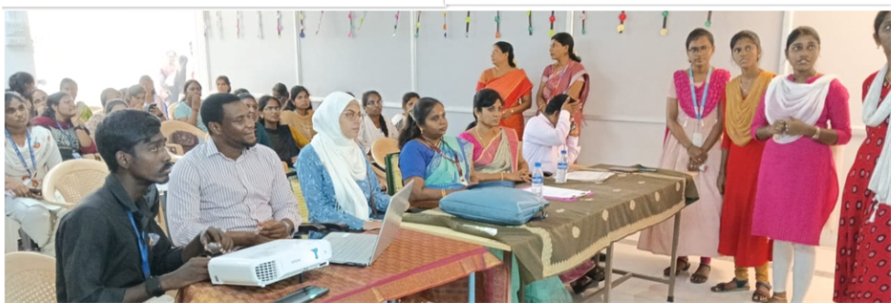
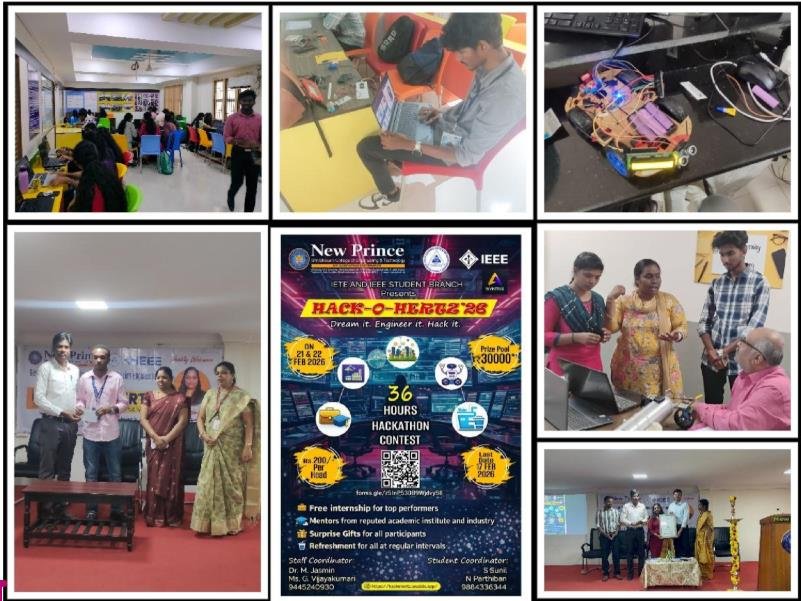
The Department of Electronics and Communication Engineering organized HACK-OHERTZ 2026, a National Level Technical Hackathon in association with the IEEE Student Branch and IETE Student Forum. The event encouraged innovation and problem-solving, with students developing solutions in areas like AI, IoT, and embedded systems. It provided a valuable platform for learning, teamwork, and showcasing technical skills.

Message from the Head of the Department

Welcome to the Department of Mechanical Engineering at New Prince College of Engineering and Technology. It gives me immense pleasure to lead a department committed to academic excellence, innovation, and holistic student development. Mechanical Engineering plays a vital role in nation-building and technological advancement, and our department equips students with strong fundamentals, practical skills, and professional ethics.

Our curriculum aligns with industry standards and emerging trends, emphasizing hands-on learning, research culture, interdisciplinary knowledge, and industry collaboration. We promote experiential learning through laboratories, workshops, internships, value-added courses, industrial visits, and project-based learning to prepare students for real-world challenges.

Our dedicated and highly qualified faculty members mentor students academically and professionally, fostering innovation, critical thinking, entrepreneurship, and lifelong learning. I warmly invite students, parents, alumni, and industry partners to engage with our department and join us in our journey toward excellence in engineering education and research.

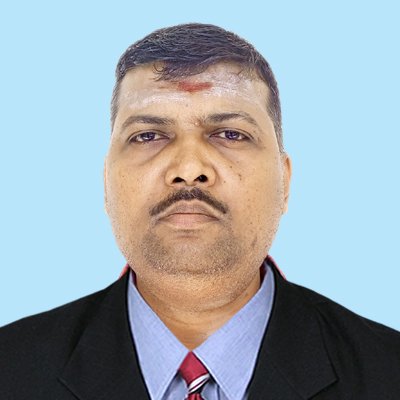
Dr. Buckshumiyan A, M.E., Ph.D.
Head of the Department
Department of Mechanical Engineering
New Prince Shri Bhavani College of Engineering & Technology.

INDUSTRIAL VISIT

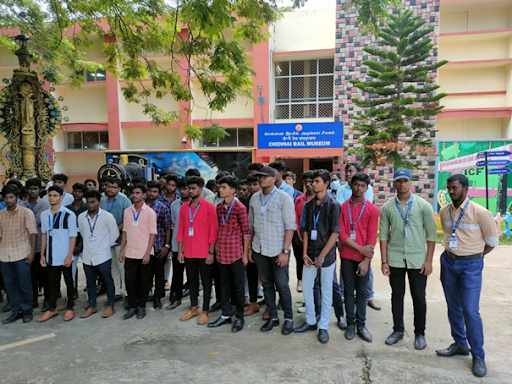
An industrial visit to ICF provided students with practical exposure to railway coach manufacturing processes and modern production technologies. The visit enhanced their understanding of real-time industrial operations and quality control practices.

A six-day VAC course was conducted for the Department of Mechanical Engineering to enhance students’ technical knowledge and practical skills. The program provided hands-on training and industry-oriented learning

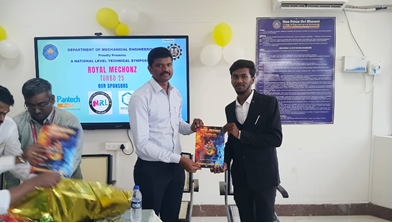
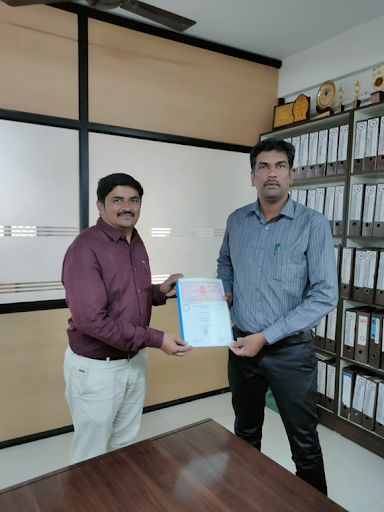
An MoU was signed between Pantech and the Department of Mechanical Engineering to promote industry–academia collaboration through training, internships, and technical programs. This partnership aims to enhance students’ practical skills and employability

Infrastructures

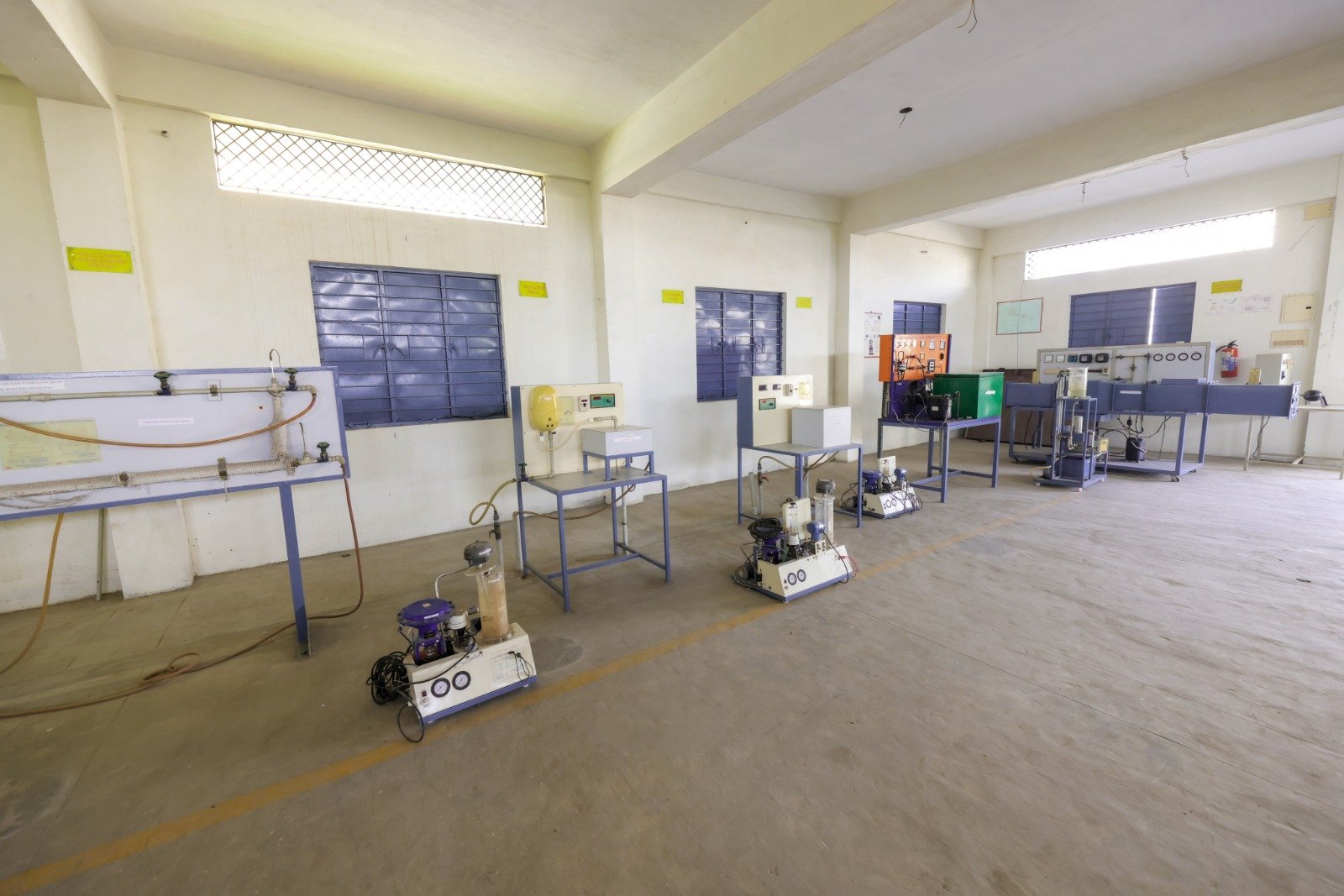
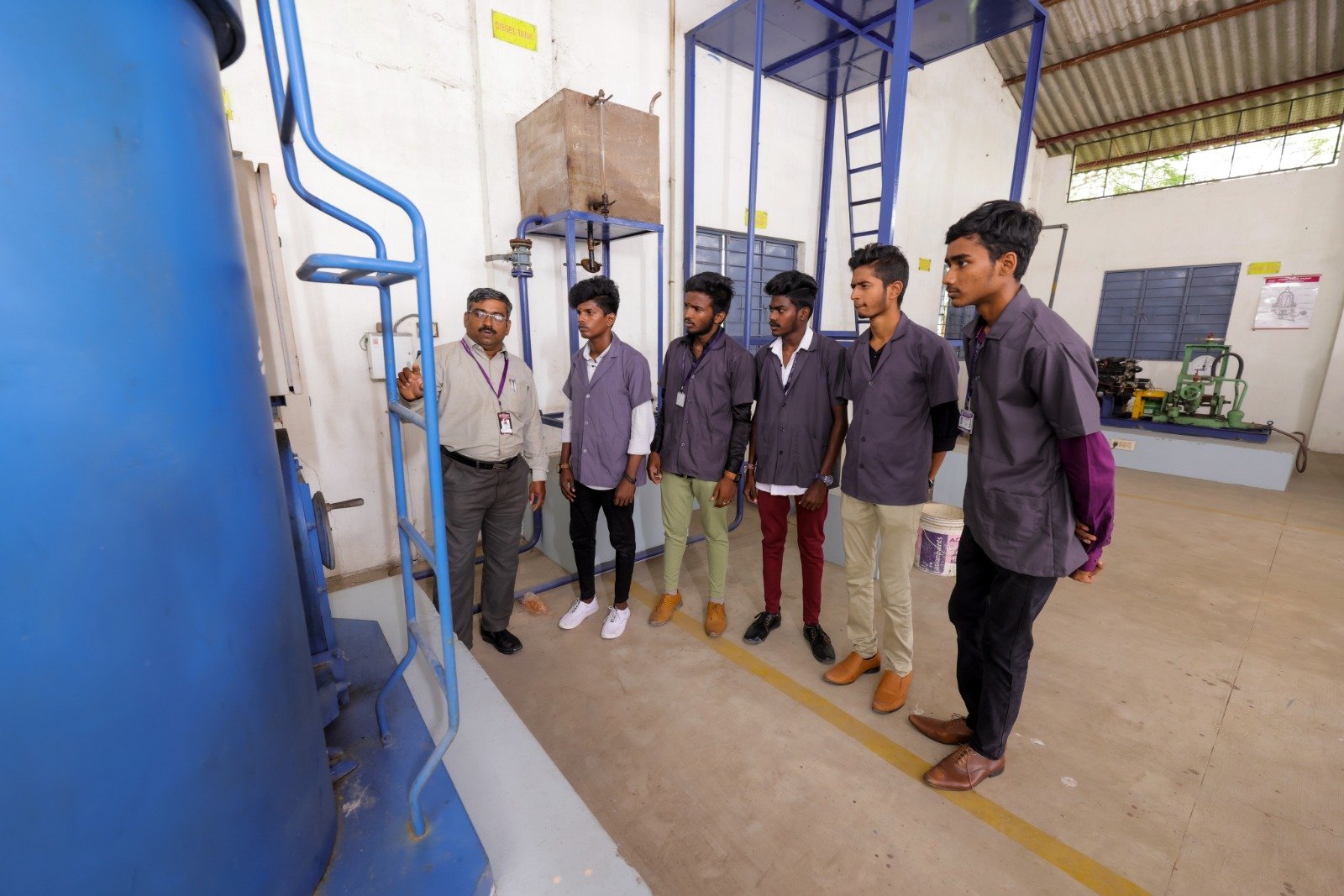
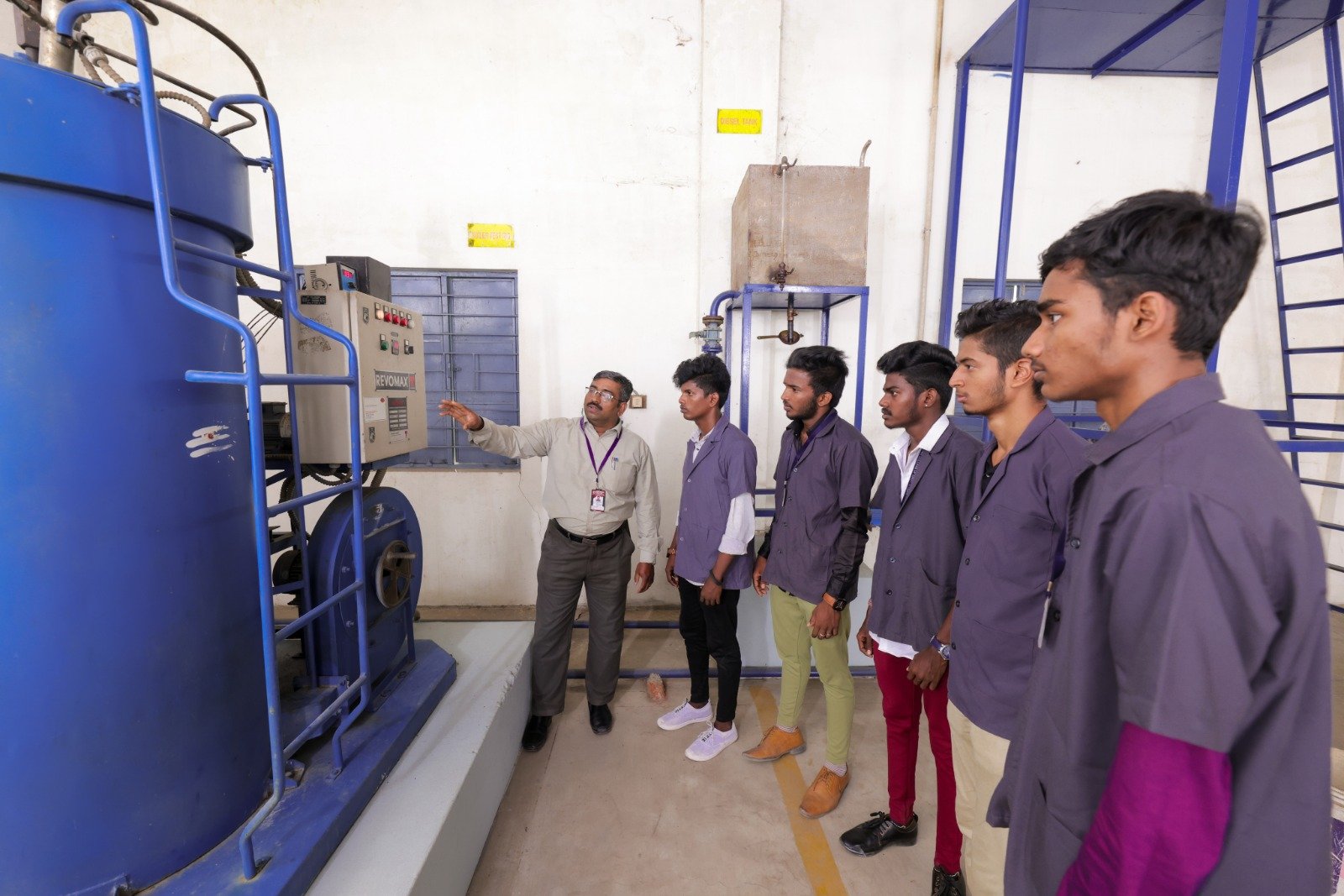
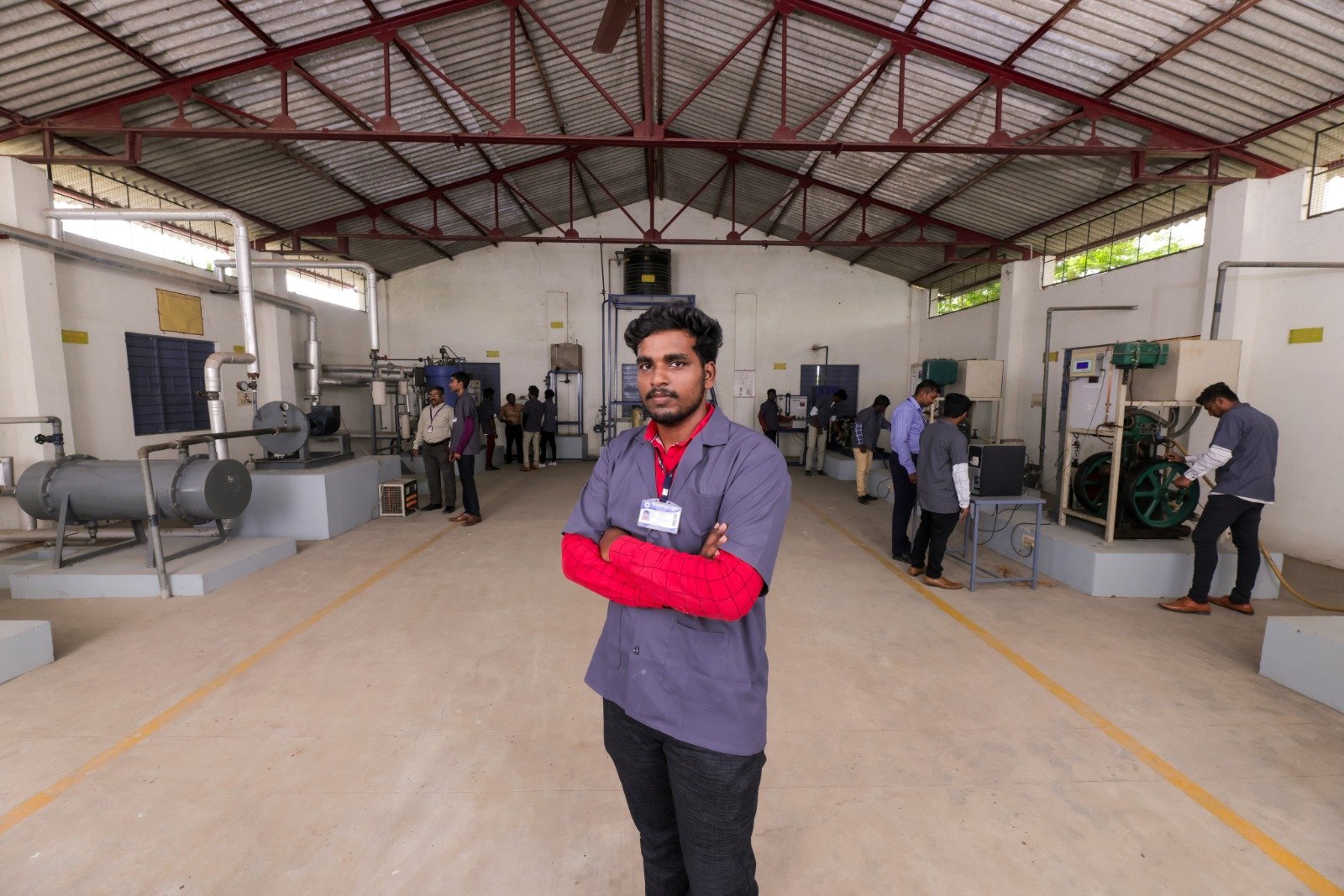
The Mechanical Engineering laboratories are equipped with modern infrastructure and advanced equipment to support effective teaching and practical learning. These facilities enable students to gain hands-on experience and conduct experiments as per academic and industry standards

PROGRAM OUTCOMES (POs):

PO 1: Engineering knowledge: Apply the knowledge of mathematics, science, engineering fundamentals, and an engineering specialization to the solution of complex engineering problems.

PO 2: Problem analysis: Identify, formulate, review research literature, and analyze complex engineering problems reaching substantiated conclusions using first principles of mathematics, natural sciences,  and engineering sciences. 

PO 3: Design/development of solutions:  Design  solutions  for complex engineering problems and design systems components or processes that meet the specified needs with appropriate consideration for the public health and safety, and the cultural, societal, and environmental considerations.

PO 4: Conduct investigations of complex problems: Use research-based knowledge and research methods, including design of experiments, analysis and interpretation of data, and synthesis of the information to provide  valid conclusions.

PO 5: Modern tool usage: Create, select, and apply appropriate techniques, resources, and modern engineering limitations.

PO 6: The engineer and society: Apply reasoning informed by the contextual knowledge to assess societal, health, safety, legal, and cultural issues and the consequent responsibilities relevant to the professional engineering practice.

PO 7: Environment and sustainability: Understand the impact of the professional engineering solutions in societal and environmental contexts, and demonstrate the knowledge of, and need for, sustainable development.

PO 8: Ethics: Apply ethical principles and commit to professional ethics and responsibilities and norms of the engineering practice.

PO 9: Individual and team work: Function effectively as an individual, and as a member or leader in diverse teams,  and in multidisciplinary settings.

PO 10: Communication: Communicate effectively on complex engineering activities with the engineering community and with society at large, such as, being able to comprehend and write effective reports and design  documentation, make effective presentations, and give and receive clear instructions. 

PO 11: Project management and finance: Demonstrate knowledge and understanding of the engineering and management principles and apply these to one’s own work, as a member and leader in a team, to manage projects and in multidisciplinary environments.

PO 12: Life-long learning: Recognize the need for, and have the preparation and ability to engage in independent and life-long learning in the broadest context of technological change.
PROGRAM SPECIFIC OBJECTIVES (PSOs):

PSO1:  An ability to apply knowledge of mathematics and engineering sciences to develop mathematical models for industrial problems.


PSO2:   An ability to identify, formulate, and solve complex engineering problems with a high degree of competence

PROGRAM EDUCATIONAL OUTCOMES (PEOs)

PEO1:  Have a successful career in Mechanical Engineering and allied industries.


PEO2:  Have expertise in the areas of Design, Thermal, Materials, and Manufacturing.


PEO3:  Contribute towards technological development through academic research and industrial practices.


PEO4:   Practice their profession with good communication, leadership, ethics, and social responsibility.


PEO5:  Graduates will adapt to evolving technologies through life-long learning.

Our Vision


• The Mechanical Engineering Department of New Prince Shri Bhavani College of Engineering and Technology will build our students into technically expert and ethically ideal professionals, promoting innovation and leadership qualities.

Our Mission


• To impart the quality education to construct effective Mechanical Engineers to serve our society .

• To impart the knowledge in the field of Design, Thermal, Manufacturing and Automation to produce the quality of Mechanical Engineers..

• To improve the research activities of the students.

• To facilitate team work culture and to improve the social standards and quality of life of the graduates.

• To improve communication skills to excel in higher studies and placements.

FACULTY DETAILS

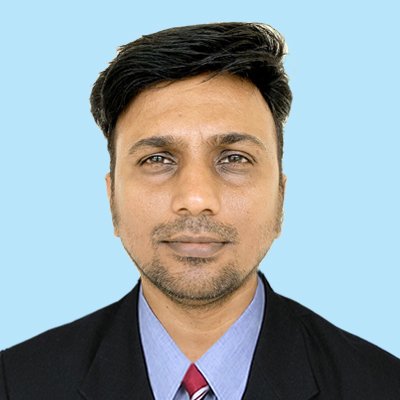
Dr. Buckshumiyan A

M.E., Ph.D

Associate Professor / HOD

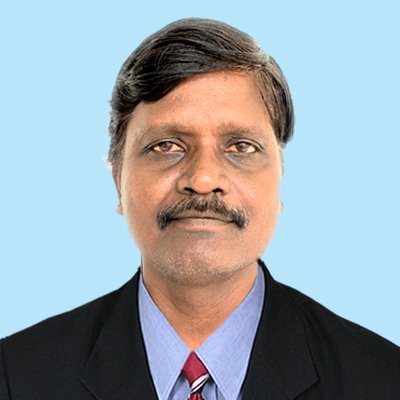
Dr. Senthur N S

M.E., Ph.D

Professor

Dr. T. Suresh

M.Tech., Ph.D., PDF

Assistant Professor

Dr. S. Aravindh

M.E., Ph.D

Assistant Professor

Dr. Kumararaja K

M.E., Ph.D

Assistant Professor

Mr. T. Thomas Koil Raj

M.E.,

Assistant Professor

Mr. K. S. Vigneswaran

M.E.,

Assistant Professor

Lt. N. Karthik

M.E.,

Assistant Professor