New Prince Shri Bhavani College of Engineering and Technology

Santhosapuram, Chennai
admission@npsbcet.edu.in
044 – 22780404
91526 66333 | 91526 66444
B.TECH INFORMATION TECHNOLOGY

INFORMATION TECHNOLOGY

The Department of Information Technology commenced in 2008 with an approved intake of 60 students. The department ensures high-quality technical education tailored to the evolving requirements of industry and society. It emphasizes not only academic excellence but also holistic personality development, fostering responsibility, innovation, and research culture among both students and faculty.

Through rigorous and interdisciplinary training, students are exposed to cutting-edge technologies that enrich their knowledge and skills. The department’s academic scope spans diverse areas including Programming, Software Engineering, Database Design and Maintenance, Web Services, IoT, Cloud Computing, and Big Data.

The primary aim of the department is to impart programming excellence and prepare students to become competent technocrats. At the same time, individual attention is given to nurture them as responsible citizens, ensuring they contribute meaningfully to industry and society.

The Department of Information Technology has consistently produced outstanding graduates who have secured prestigious positions both in India and abroad. Faculty members actively encourage students to undertake projects in emerging research areas, thereby enhancing their knowledge of advanced topics. With its excellent placement record, NPSBCET takes pride in the IT department being a leader in placements over the years.

The department is strengthened by a team of well-qualified, experienced, and dedicated faculty members who are deeply committed to teaching and research. To enrich academic learning, the department regularly organizes workshops, seminars, conferences, and guest lectures delivered by eminent personalities from industry and academia. Faculty members also contribute to the global knowledge community through publications in international journals, conference proceedings, and book chapters.

Beyond classroom teaching and laboratory exercises, students are motivated through creative activities, cultural fests, and group learning sessions. They are encouraged to participate in discussions, present seminars, and prepare term papers individually, fostering confidence and independent thinking. Emphasis is placed on computer-based assignments involving modeling and simulation, ensuring that students gain practical exposure alongside theoretical knowledge.


Achievements
Staff Achievements
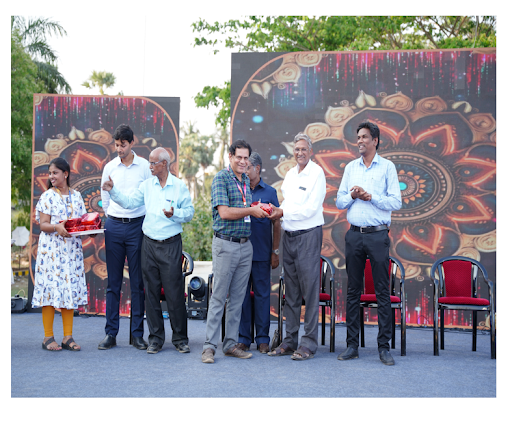
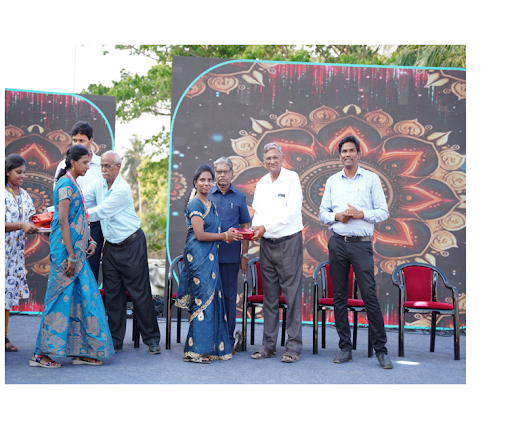
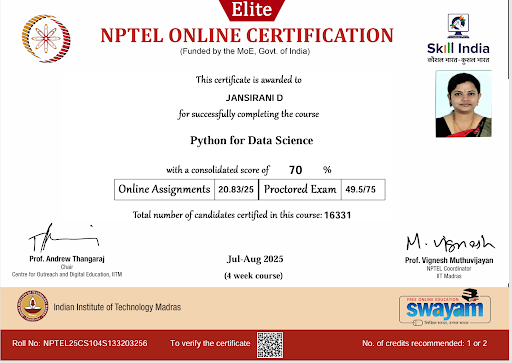
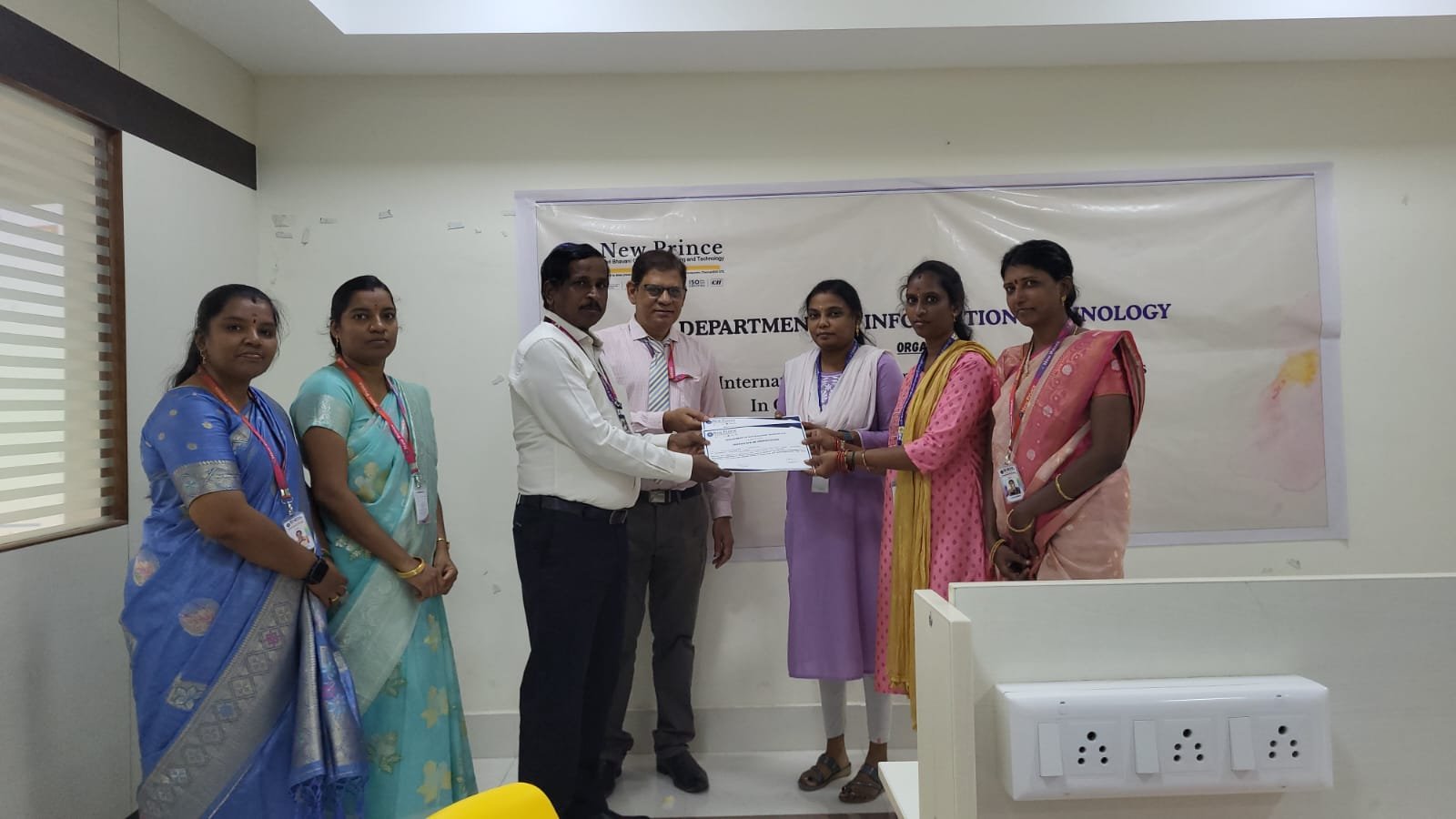
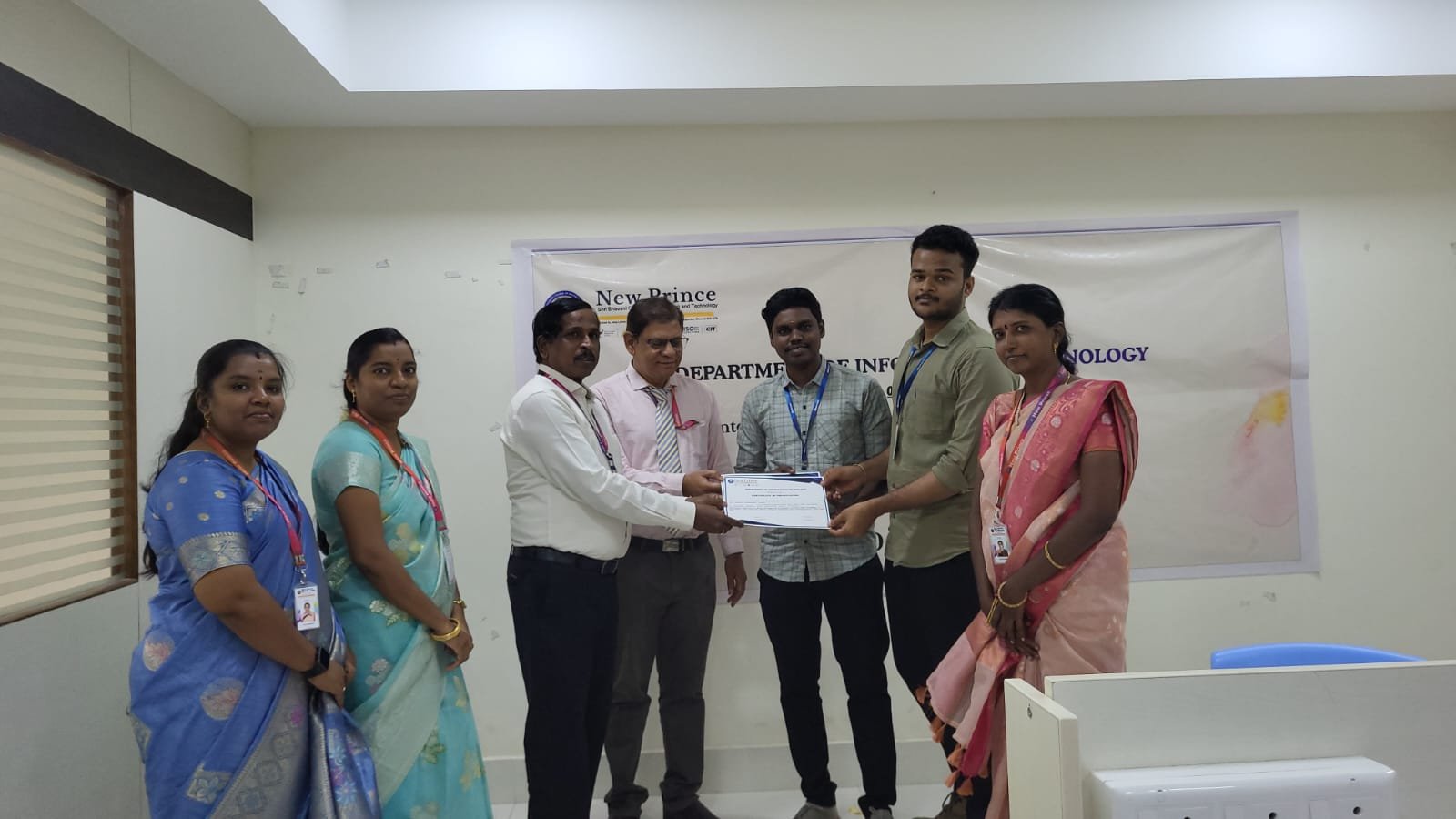
In appreciation of consistent academic contribution and measurable performance outcomes as per Faculty Performance Appraisal Criteria Department of Information Technology Academic Year 2024 – 2025.
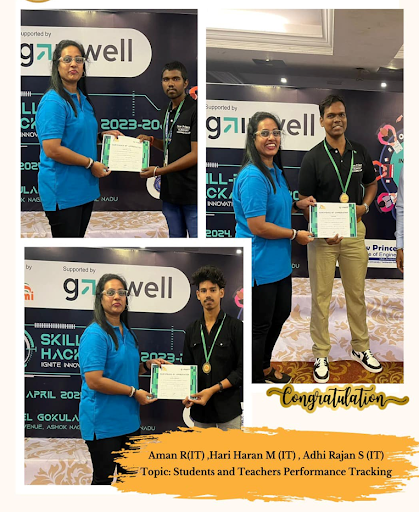
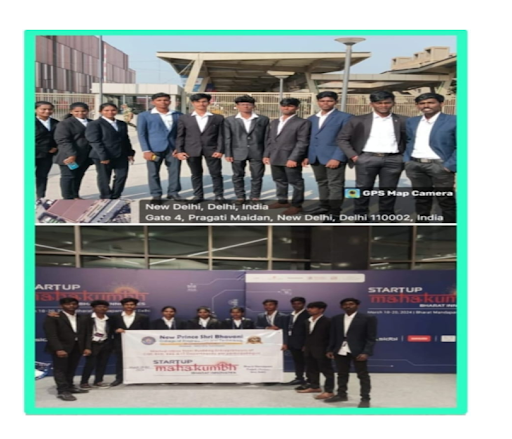
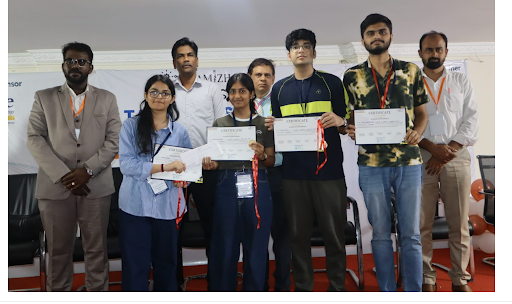
Students from our college participated in the SkillEd Hackathon held at Jain Engineering College. The hackathon provided exposure to real-time problem-solving scenarios. Students worked collaboratively to develop innovative solutions. The event enhanced their technical skills and teamwork abilities
Events
Workshop
Department of Electronics and Communication Engineering organized a Two Days Workshop on “IoT and Embedded Systems using Raspberry Pi” by ReTech Solutions Pvt. Ltd., Chennai.
Department of Electronics and Communication Engineering organized a Seminar on “Research Opportunities in Semiconductor materials and Devices” for III year and IV year students. The session was handled by Resource Person Ms.V. Rajakumari, Senior research Fellow in Need laboratory, IIITDM-Kancheepuram, Chennai.
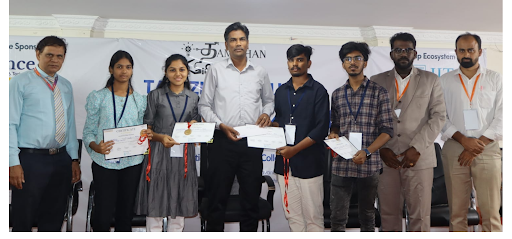
Students from various colleges participated in the Ideathon conducted in our college. Participants presented innovative ideas and solutions. The event encouraged inter-collegiate interaction and knowledge sharing. Faculty members evaluated and guided the participants.
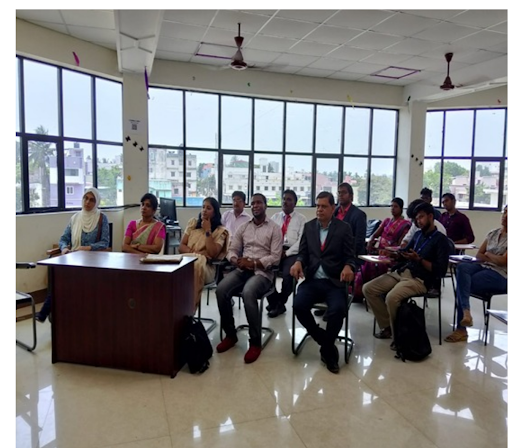
The International Conference was inaugurated at our college in the presence of distinguished guests and experts. The opening session, attended by faculty, students, and participants from various institutions, highlighted the conference’s objectives and importance, setting the stage for knowledge sharing and academic discussions
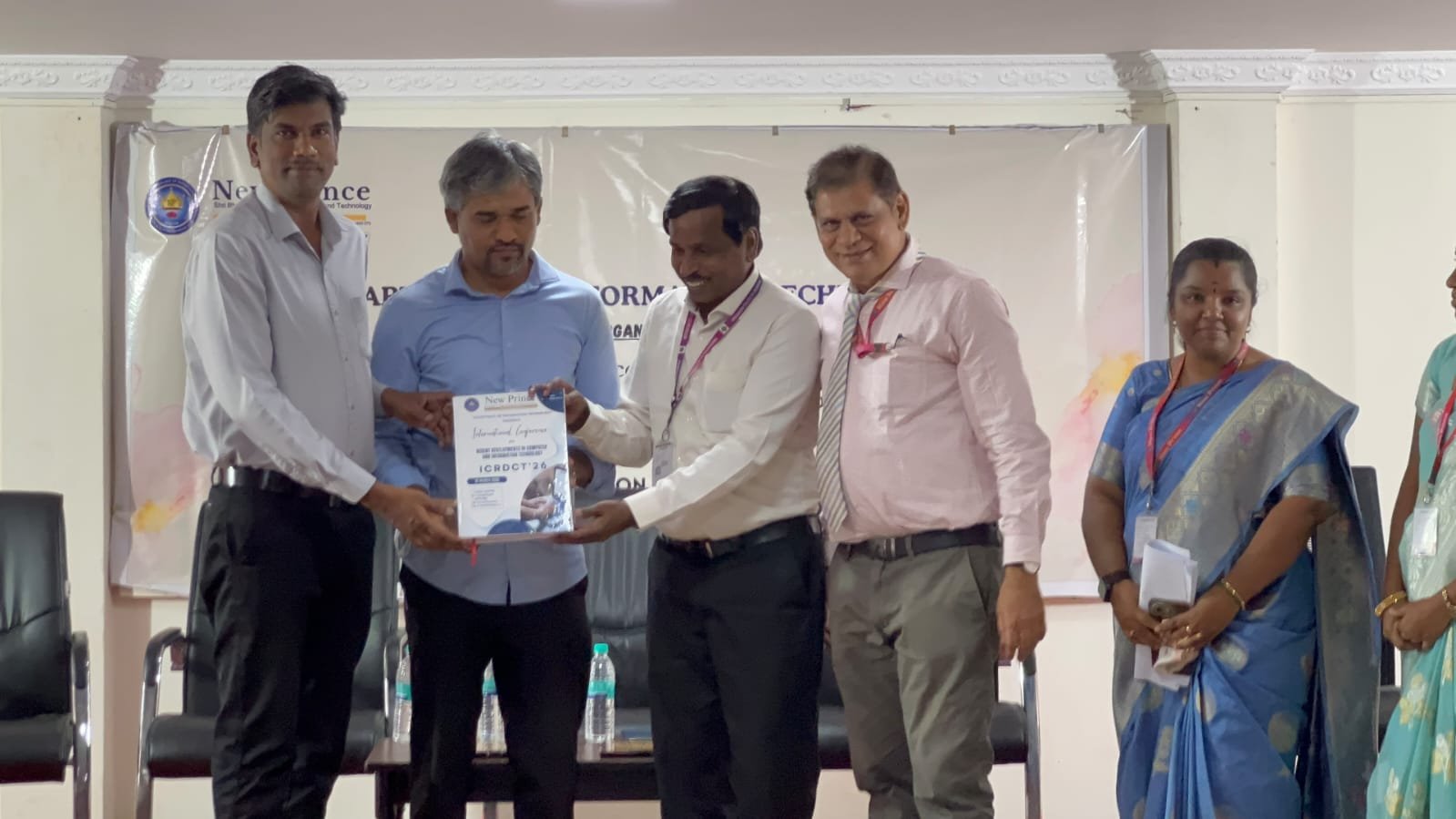
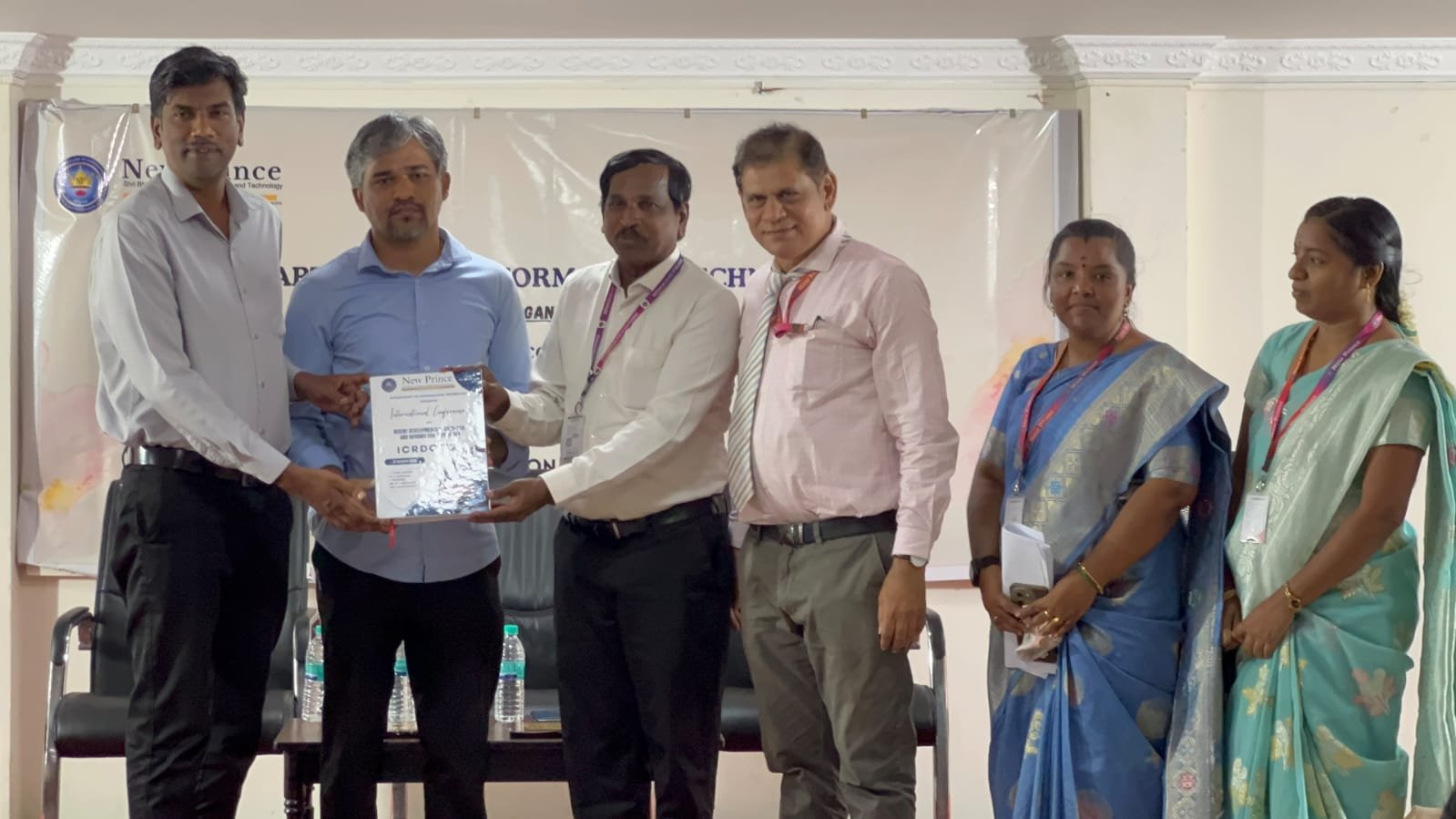
The Department of Information Technology organized the International Conference on Recent Developments in Computer and Information Technology (ICRDCIT’26) on March 10, 2026. The event featured distinguished speakers and brought together academicians, researchers, and students for knowledge exchange and research discussions. It provided a valuable platform for presenting ideas and fostering academic networking in emerging IT domains.
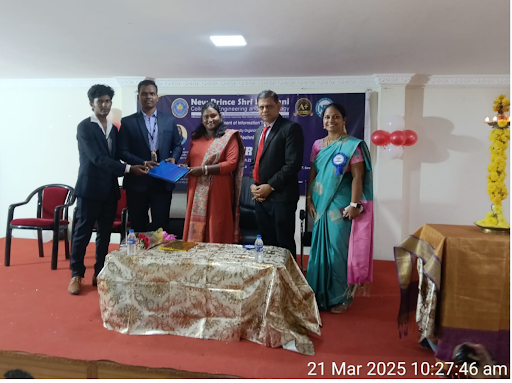
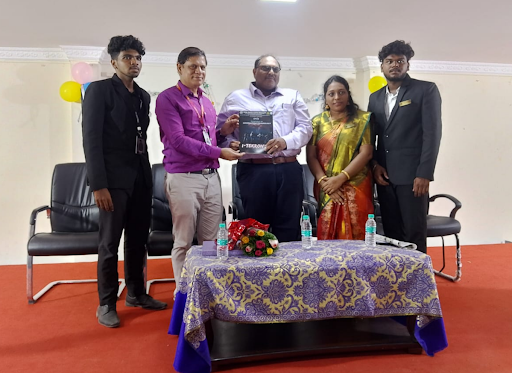
The National Level Technical Symposium “I-TEKRON’25,” organized by the Department of Information Technology at NPSBCET, was held on March 21, 2025. The event was conducted through the department association NOTION and was successfully organized through the combined efforts of faculty and students.

Message from the Head of the Department

Through education, we aim to build character, enhance mental strength, and empower students to stand confidently on their own feet. Engineering is not merely about solving problems; it is about understanding them deeply and creating sustainable solutions that make a meaningful difference. Our department is committed to fostering an environment where intellectual curiosity thrives and students are motivated to push the boundaries of technology and innovation.

Beyond technical proficiency, our objective is the holistic development of our students. Through an effective mentor–mentee program, we nurture leadership, communication, and interpersonal skills alongside technical expertise. We strive to develop socially responsible professionals who will apply their technological knowledge to make meaningful and lasting contributions to society and the nation.

We believe that with a strong foundation, every professional can reach greater heights. Our department is committed to providing a dynamic learning environment supported by ICT and open-source tools. By adopting Outcome-Based Education (OBE), we prepare our graduates to become globally competent technologists with a lifelong passion for learning.

Dr.S.Subburam, M.E., Ph.D.

Professor & Head
Department of Information Teechnology

New Prince Shri Bhavani College of Engineering & Technology.

INDUSTRIAL VISIT

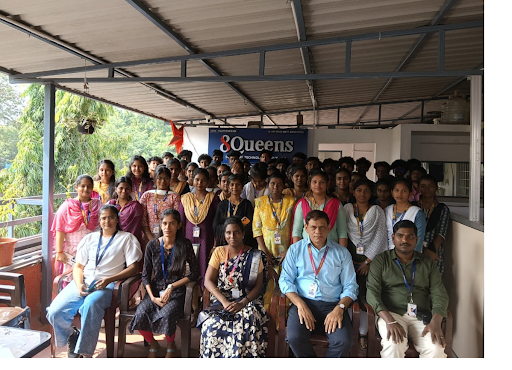
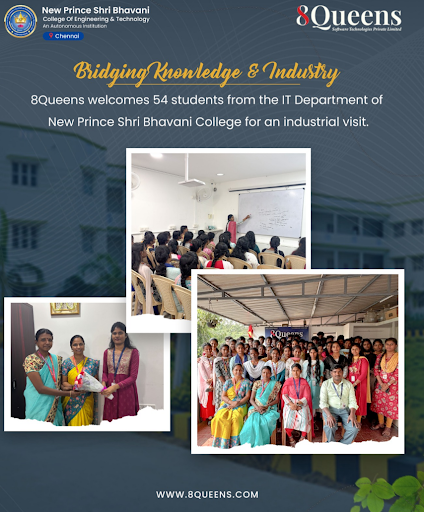
An industrial visit was organised for students from our college at 8Queens Technology. The visit provided exposure to real-time industrial practices. Students gained practical knowledge through interaction with industry professionals. The visit helped bridge the gap between academic learning and industry requirements

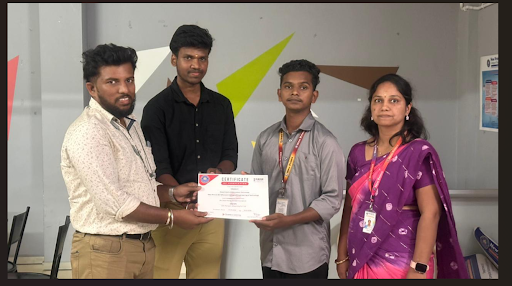
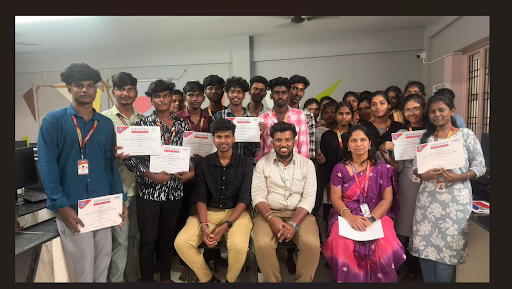
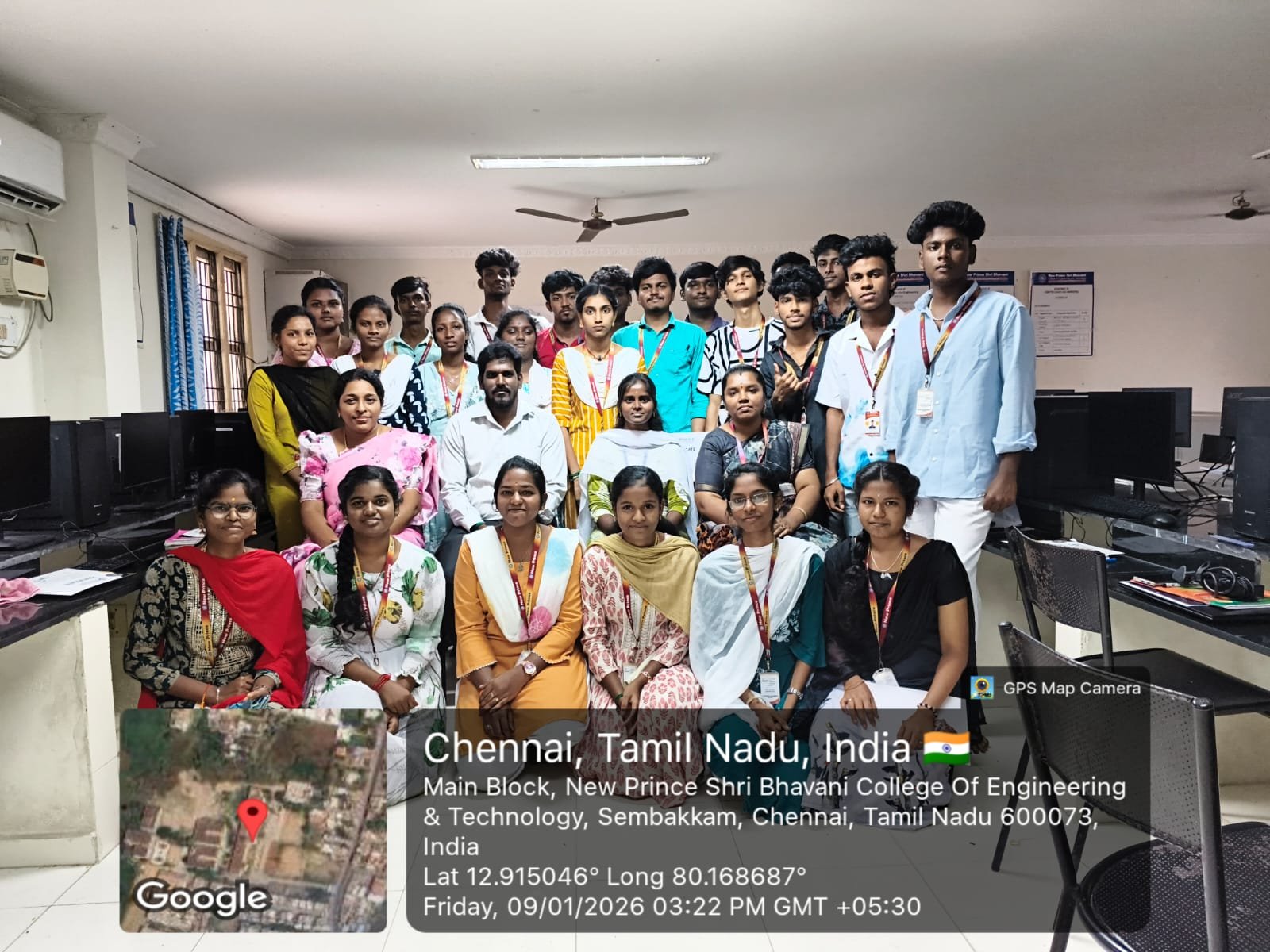
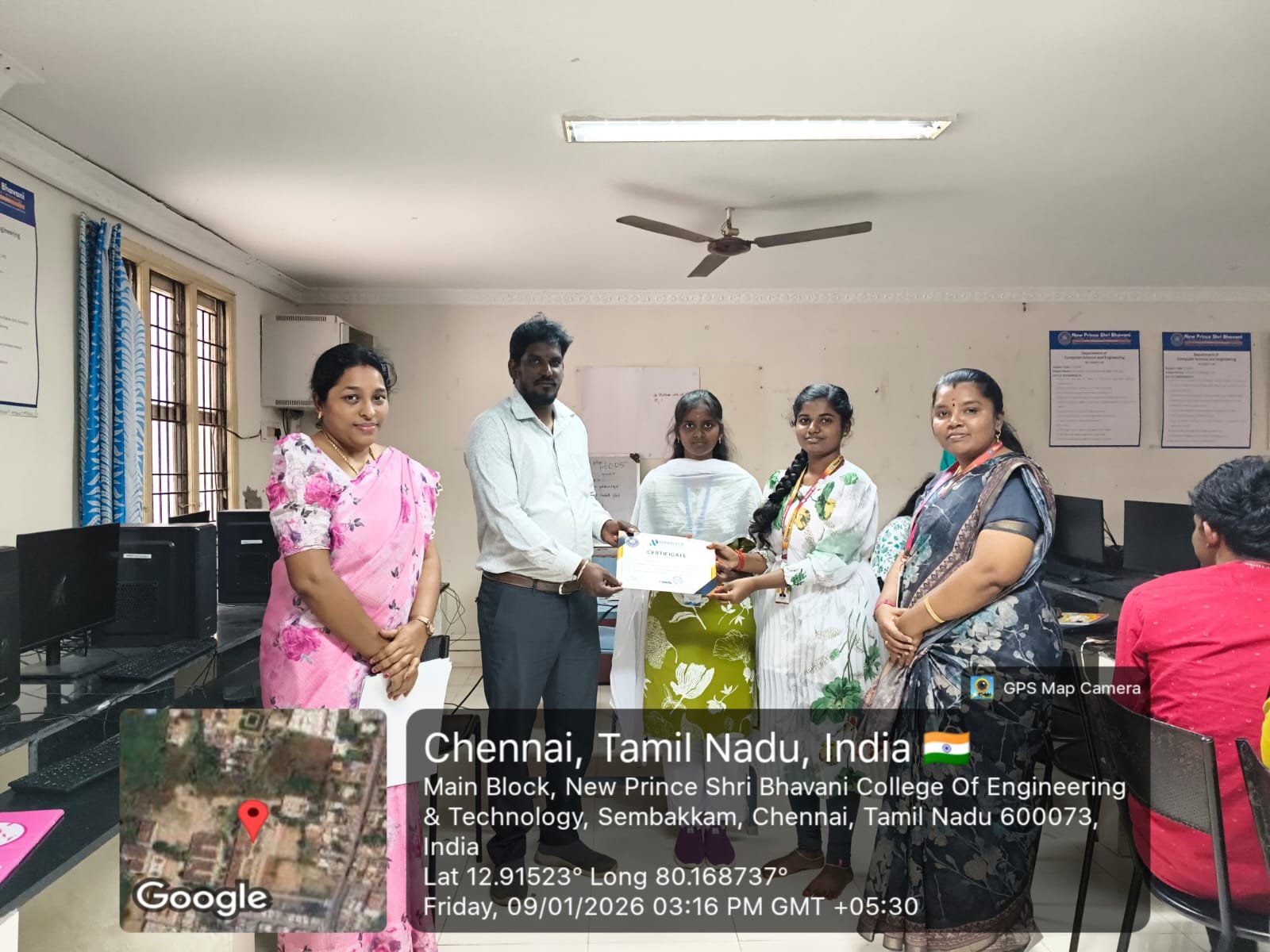
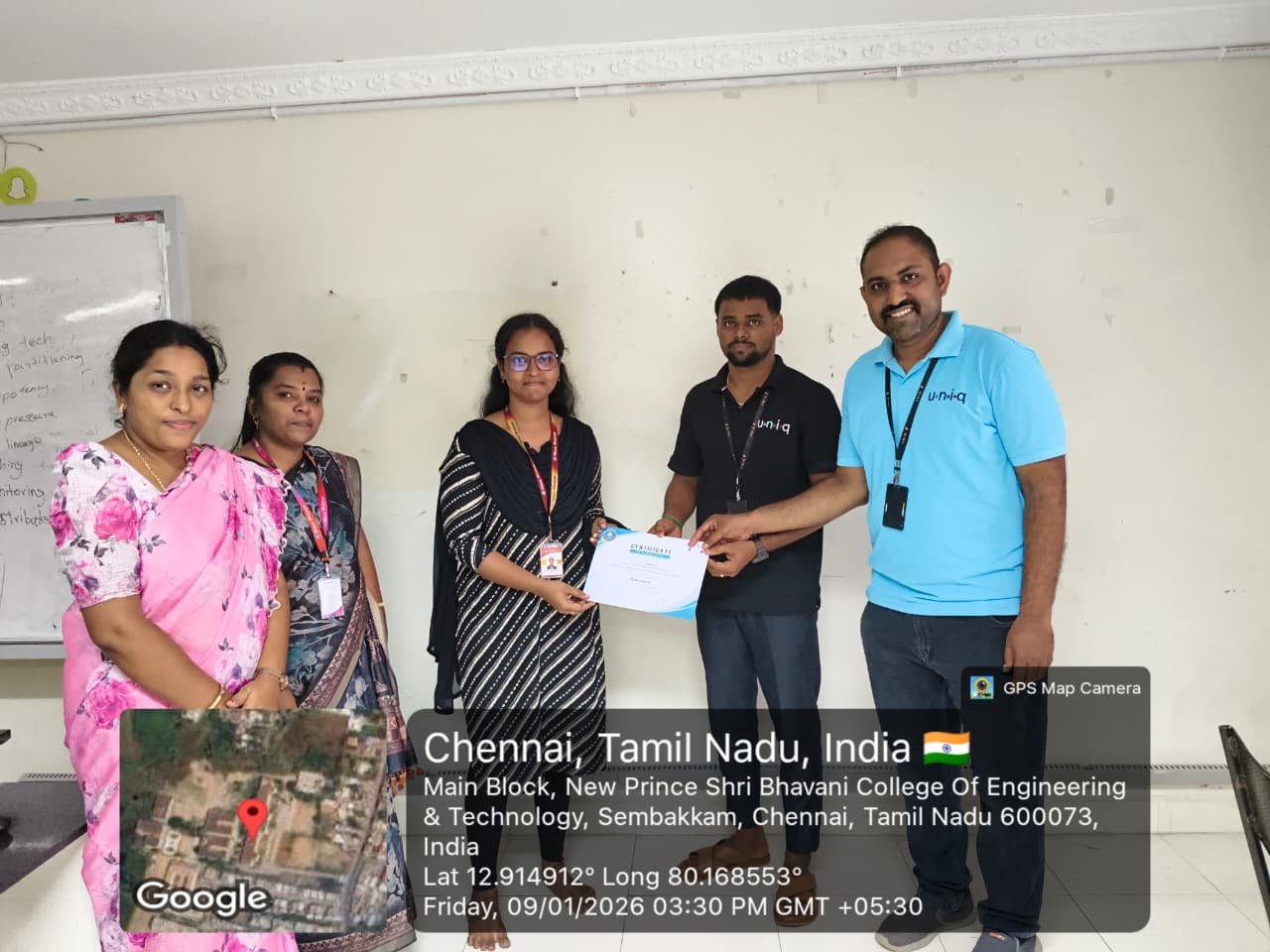
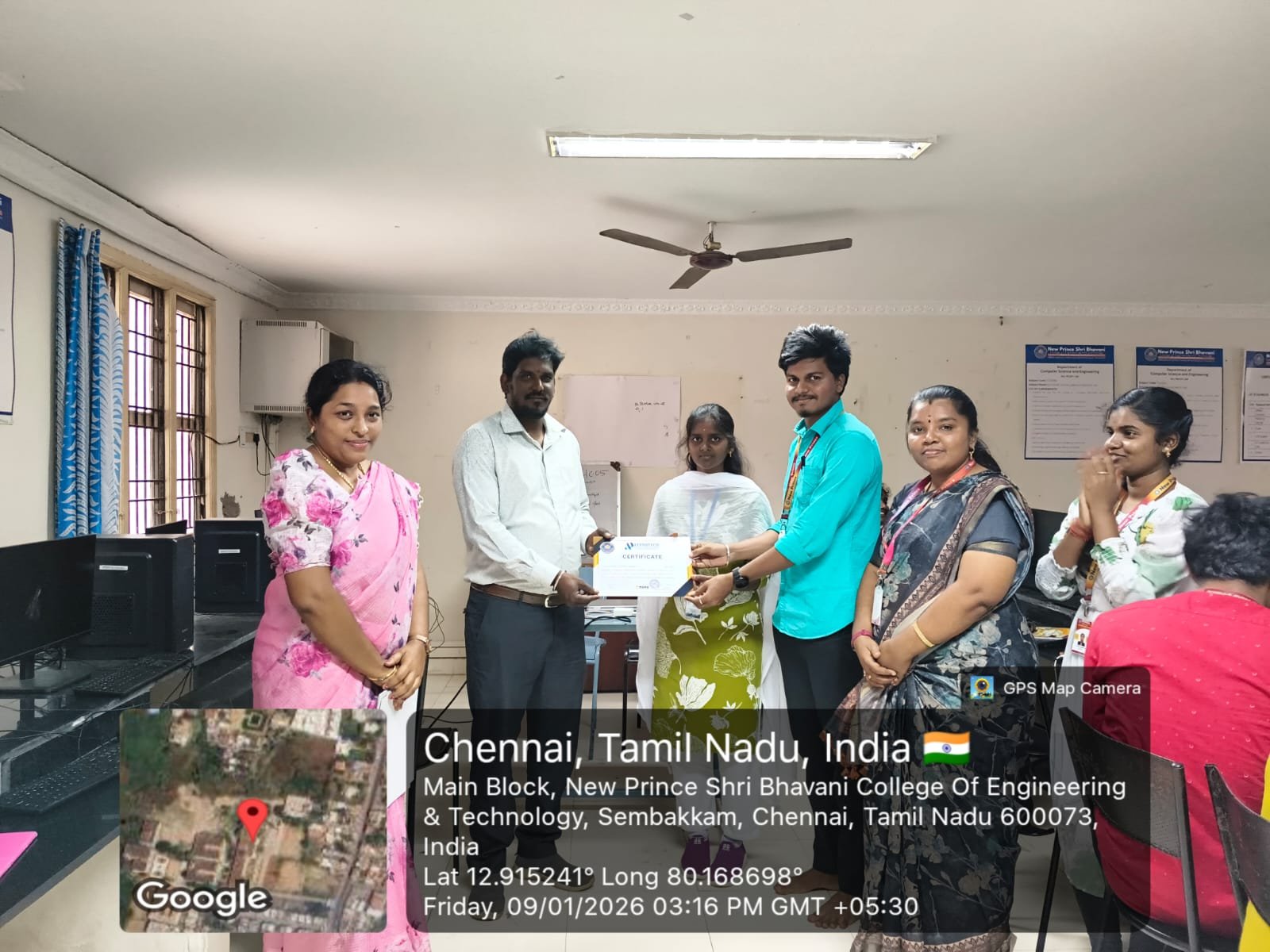
A value added course was conducted in our college in collaboration with Uniq and Pantech Technology. The program aimed to enhance students’ technical and practical skills. Students actively participated in the sessions conducted by industry experts.The course helped students gain industry-relevant knowledge and exposure.

Infrastructures
Laboratory
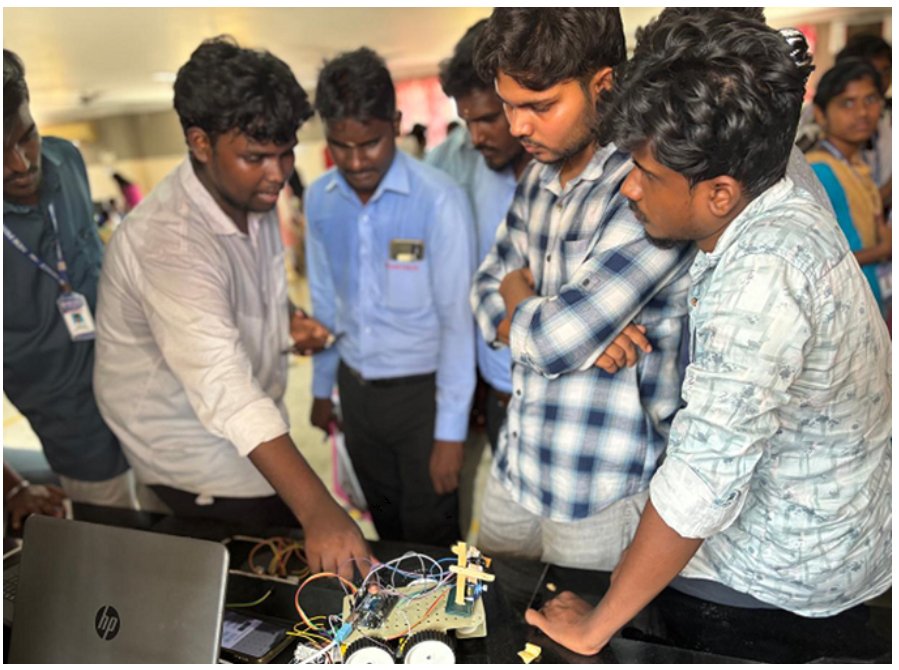
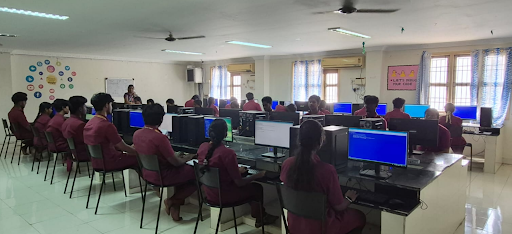
Laboratory sessions were conducted to provide hands-on practical experience. Students performed experiments and practical exercises under faculty supervision. The sessions enhanced technical skills and practical understanding. Laboratory activities reinforced concepts taught in the classroom.
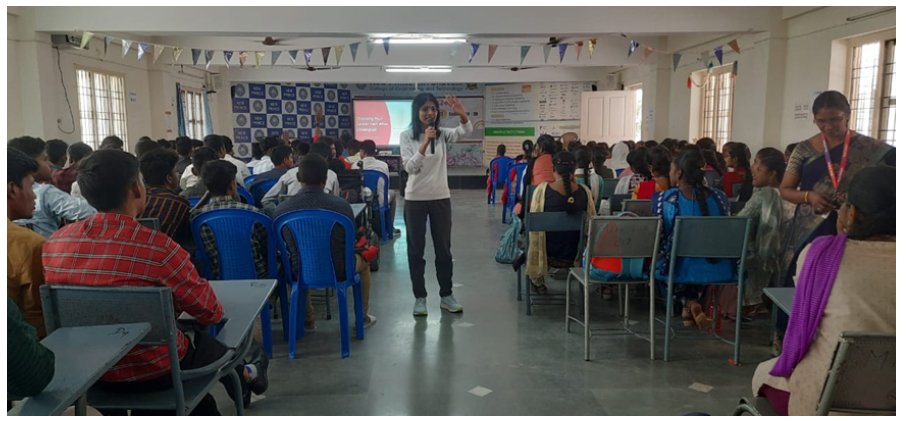
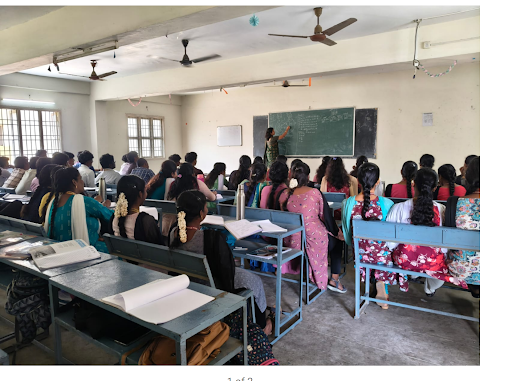
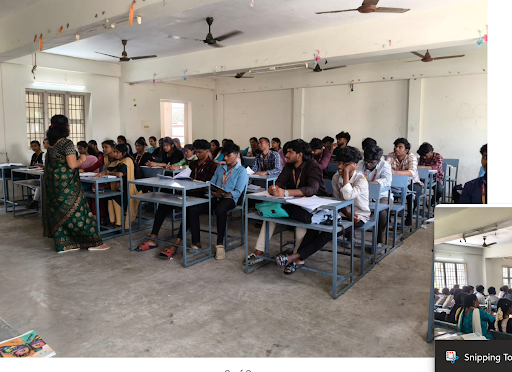
Regular classroom sessions were conducted to deliver theoretical concepts effectively. Faculty members engaged students through interactive teaching methods. Students actively participated in the learning process. The classroom environment supported academic and conceptual understanding.

PROGRAM OUTCOMES (POs):

PO1: Engineering Knowledge: Apply knowledge of mathematics, natural science, computing, engineering fundamentals and an engineering specialization as specified in WK1 to WK4 respectively to develop to the solution of complex engineering problems.  


PO2:  Problem Analysis: Identify, formulate, review research literature and analyze complex engineering problems reaching substantiated conclusions with consideration for sustainable development. (WK1 to WK4) 


PO3: Design/Development of Solutions: Design creative solutions for complex engineering problems and design/develop systems/components/processes to meet identified needs with consideration for the public health and safety, whole-life cost, net zero carbon, culture, society and environment as required. (WK5)


PO4:  Conduct Investigations of Complex Problems: Conduct investigations of complex engineering problems using research-based knowledge including design of experiments, modelling, analysis & interpretation of data to provide valid conclusions. (WK8)


PO5:  Engineering Tool Usage:  Create, select and apply appropriate techniques, resources and modern engineering & IT tools, including prediction and modelling recognizing their limitations to solve complex engineering problems. (WK2 and WK6)


PO6: The Engineer and The World: Analyze and evaluate societal and environmental aspects while solving complex engineering problems for its impact on sustainability with reference to economy, health, safety, legal framework, culture and environment. (WK1, WK5, and WK7)


PO7:  Ethics: Apply ethical principles and commit to professional ethics, human values, diversity and inclusion; adhere to national & international laws. (WK9) 


PO8:  Individual and Collaborative Team work: Function effectively as an individual, and as a member or leader in diverse/multi-disciplinary teams.


PO9: Communication: Communicate effectively and inclusively within the engineering community and society at large, such as being able to comprehend and write effective reports and design documentation, make effective presentations considering cultural, language, and learning differences 


PO10: Project Management and Finance: Apply knowledge and understanding of engineering management principles and economic decision-making and apply these to one’s own work, as a member and leader in a team, and to manage projects and in multidisciplinary environments.


PO11: Life-Long Learning: Recognize the need for, and have the preparation and ability for i) independent and life-long learning ii) adaptability to new and emerging technologies and iii) critical thinking in the broadest context of technological change.
PROGRAM SPECIFIC OUTCOMES (PSOs):

PSO1.   To embed a strong foundation in the Engineering fundamentals to solve, analyze and design real time technical product.


PSO2.   Develop IT application services with the help of different current engineering tools.

PROGRAM EDUCATIONAL OBJECTIVES (PEOs)

PEO1. Encompass the ability to examine, plan and build innovative software projects and become a successful entrepreneur.


PEO2. Develop core IT competencies aligned with emerging industry trends to become global professional leaders with ethical values.


PEO3. Engage in continuous learning and address the societal problems with  ethics to provides sustainable solutions

Our Vision


• To be a centre of excellence in emerging areas of Information Technology.

Our Mission


• Provide the vital aspects of Information Technology and entrepreneurial skills to students. .

• Equip the stakeholders with technical knowledge and leadership skills with collaboration to become competent professionals...

• Motivate innovation and contribute to the societal issues with human values and professional ethics.